Why Regular HVAC Care Matters for Businesses
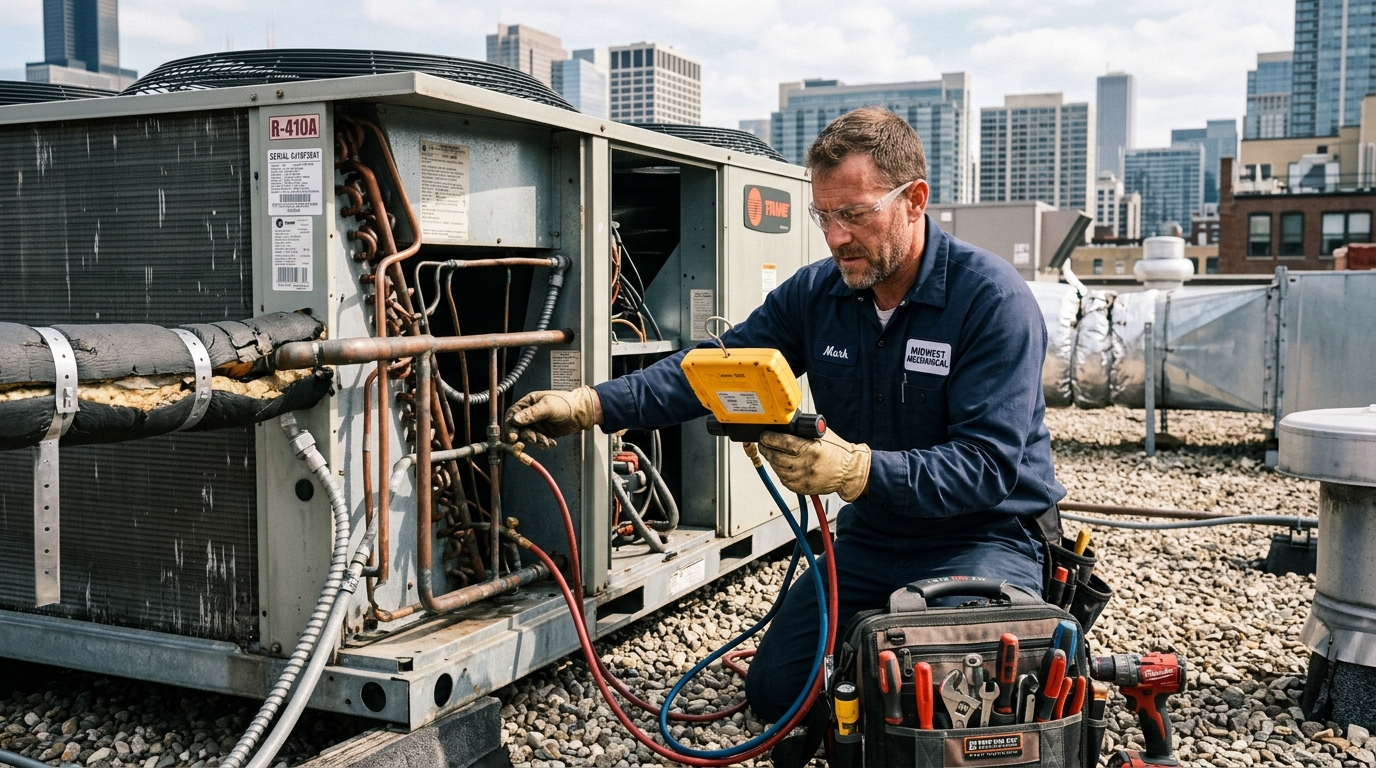
Are high energy bills and uneven office temperatures costing your business time and money? Regular HVAC care can cut energy use and prevent sudden breakdowns. This post will show simple maintenance steps that save money, improve air quality, and extend system life.
Read on to learn how.
Energy Efficiency and Cost Savings
HVAC care boosts energy efficiency for businesses. This leads to lower utility bills and more money saved over time.
Reduced energy consumption
Regular preventative maintenance keeps equipment running at peak energy efficiency. It reduces energy consumption and trims utility bills.
Clean filters and calibrated controls help systems use less electricity and fuel. These steps drive cost savings and lower environmental impact.
Lower utility bills
Lower energy use leads directly to lower utility bills. Preventative maintenance keeps systems sealed and tuned, so HVAC units run fewer cycles. These fixes improve energy efficiency and reduce wasted power.
Businesses see clear cost savings from routine HVAC maintenance. Lower bills free budget for staff, upgrades, or other operating needs. HVAC maintenance also supports comfort, indoor air quality, equipment lifespan, and safety.
Extended Equipment Lifespan
Regular HVAC care helps keep your equipment running longer. This means fewer breakdowns and less need for new units.
Prevention of major breakdowns
Routine inspections catch worn parts and leaks before they fail. Technicians replace belts, clean coils, and tighten connections during preventative maintenance. This lowers the chance of sudden outages that disrupt business operations.
Planned HVAC maintenance cuts emergency repair costs and downtime. Owners save on utility bills and extend equipment lifespan. Good upkeep supports system performance and comfort for staff and customers.
These practices lead into reduced need for premature replacements.
Reduced need for premature replacements
Regular HVAC maintenance cuts down the need for early replacements. Over time, wear and tear can lead to serious breakdowns. By keeping systems in good shape, businesses save money on costly repairs and replacements.
Routine check-ups catch small problems before they grow big. This proactive care extends the life of HVAC equipment.
Fewer premature replacements also means less waste. Businesses contribute positively to the environment by reducing discarded units. Good maintenance leads to higher performance and lower costs in the long run.
Next, enhanced indoor air quality plays a key role in workplace comfort and safety.
Enhanced Indoor Air Quality
Clean air helps everyone in the building breathe easier. Regular HVAC care removes dust and allergens, keeping the space comfortable and healthy.
Removal of dust and allergens
Dust and allergens build up in HVAC systems. They can harm indoor air quality. Regular maintenance helps remove these harmful particles. A clean system circulates fresh air more effectively.
This creates a healthier environment for employees and customers.
Poor air quality affects comfort levels and productivity. Removing dust lowers the risk of allergies and respiratory issues, ensuring everyone breathes easier. Good indoor air quality supports business operations by keeping people healthy and happy.
Improved air circulation
Improved air circulation is key for good indoor air quality. Regular HVAC care helps clear out stale air and replace it with fresh air. This process reduces the amount of dust and allergens that can harm health.
Good circulation keeps temperatures steady throughout a space, enhancing comfort levels for both employees and customers. Clean filters and well-maintained ducts support airflow. These steps lead to better system performance, promoting a healthier environment.
Compliance with safety standards often depends on proper air movement too, paving the way to the next important point: compliance and safety.
Compliance and Safety
Businesses must follow laws about HVAC systems to ensure safety. Proper care keeps the air safe for employees and customers.
Meeting regulatory standards
Meeting regulatory standards is crucial for HVAC systems in any business. These standards ensure that systems operate safely and efficiently. Compliance helps avoid fines and legal issues.
Regular maintenance checks keep the HVAC systems up to code when the technician doing them holds the EPA Section 608 certification federal rules require for refrigerant work, and since some HVAC marketing services have contractors list their credentials consistently across the web, it takes about a minute to confirm before you book.
Maintaining equipment also protects employees and customers from health risks. Poor air quality can lead to problems like allergies or sickness. A well-maintained HVAC system improves indoor air quality, which keeps everyone safe and comfortable.
Following these guidelines builds trust with clients and promotes a healthy work environment.
Ensuring employee and customer safety
Meeting regulatory standards boosts safety for everyone. Regular HVAC care helps keep air clean and fresh. Clean systems reduce dust and allergens in the air. This leads to a healthier workspace for employees.
It also creates a better experience for customers.
Good ventilation makes indoor spaces comfortable. Proper airflow reduces the risk of mold and bacteria growth. A safe environment encourages productivity at work. Businesses show they care by prioritizing health and safety through regular maintenance of their HVAC systems.
Conclusion
Regular HVAC care is key for businesses. It boosts energy efficiency and cuts down on costs. Clean systems help improve indoor air quality, creating a better space for everyone. Safe and well-maintained units keep employees and customers happy.
Investing in regular maintenance pays off in the long run through savings and comfort.