What to Look for When Choosing the Best Solar Company for Your Home
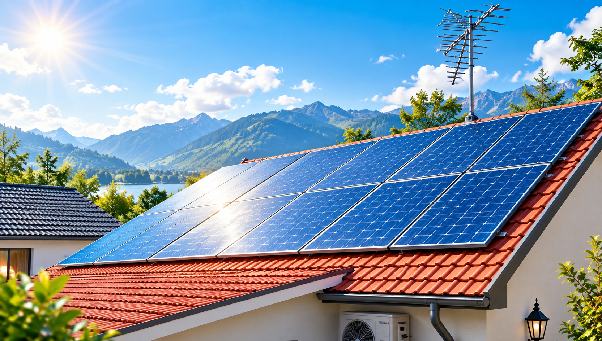
Choosing solar is less about finding the flashiest advertisement and more about finding a company that understands your home, your electricity use, and your long-term expectations. The best solar company for home projects should be willing to explain its assumptions, show its work, and put important promises in writing. This guide walks through the practical questions to ask before you compare quotes or sign an agreement.
A thoughtful process also helps you separate a genuinely suitable proposal from a polished sales presentation. Whether you speak with local home solar panel experts or a larger installer, use the same standards for every company, including any business you encounter while searching for Synergy Electric Solutions.
Start with your home’s solar potential and energy needs
A good solar decision begins with the property rather than the salesperson’s preferred package. Your roof, utility bill, household habits, and backup-power goals all affect the right system. Gather this information first so each company is responding to the same basic picture.
Review your electricity usage and utility rates
Collect at least a year of electricity bills if possible, then look for seasonal changes and unusual spikes. Ask how the proposal uses your actual consumption rather than a generic household average. You should also understand current utility rates, fixed charges, time-of-use pricing, and how exported electricity is credited, since these details influence both system size and savings.
A company that cannot clearly connect its production estimate to your usage deserves additional questions. Your future plans matter too: an electric vehicle, heat pump, home addition, or growing household may change the amount of electricity you need.
Assess roof condition, orientation, shading, and available space
Solar equipment can remain in service for many years, so the roof should be evaluated before installation. Ask about its age, remaining useful life, structural condition, and any repairs that may be needed. Roof orientation, pitch, nearby trees, chimneys, and other obstructions can affect how much sunlight reaches the panels.
The site assessment should explain where equipment will go and why. If a roof replacement is likely soon, completing that work before solar installation may prevent the cost and disruption of removing and reinstalling the array later.
Consider battery storage and backup power needs
A battery is not automatically the right choice for every home. Its value depends on outage concerns, electricity rates, utility export rules, battery capacity, and which circuits you want to keep running. Ask the installer to distinguish between partial-home backup and whole-home backup instead of using “backup” as a general promise.
Clarify how long the proposed battery may support your essential loads under different conditions. A useful proposal will describe assumptions about consumption, solar recharging, and outages rather than implying unlimited power.
Check local permitting, net metering, and interconnection rules
Permits and utility approval are part of the project, not minor administrative details. Ask which party prepares applications, schedules inspections, communicates with the utility, and resolves delays. Rules for exporting excess electricity, changing rate plans, or adding storage can vary by location and may change the economics of a system.
Request a written outline of the expected approval steps and timeline. If a quote depends on an incentive or utility program, confirm the current rules directly with the relevant agency or utility and ask what happens if eligibility is denied.
Evaluate the company’s experience and credentials
Solar installation involves roofing, electrical work, permitting, and long-term customer service. A company may offer an attractive price while still lacking the experience needed for your particular property. Look for verifiable qualifications and specific answers rather than broad claims about being the best.
You are evaluating both the installer and the process behind the installation. The most reassuring conversations tend to include clear documentation, realistic limits, and a willingness to explain who is responsible at every stage.
Look for relevant licenses, certifications, and insurance
Ask for the company’s applicable contractor licenses, certifications, and proof of insurance. Verify credentials through official sources when available, and check that coverage includes the work being performed at your home. Do not rely solely on a logo or badge displayed in a proposal.
It is also reasonable to ask whether subcontractors hold the licenses and insurance required for their portion of the work. A qualified company should answer without treating basic verification as an inconvenience.
Verify experience with homes similar to yours
Experience is most useful when it matches the conditions of your project. Ask how many residential systems the company has installed in your area and whether it has handled roofs like yours, electrical-panel upgrades, batteries, or difficult shading conditions. Request examples of completed work without treating photographs as proof of technical quality.
Local experience may also mean familiarity with your permitting office and utility. That can reduce avoidable confusion, although no installer can guarantee that every approval will happen on a particular date.
Read recent reviews and look for independent complaints
Reviews can reveal patterns in communication, scheduling, workmanship, and post-installation support. Read recent feedback across more than one independent source, and give extra weight to detailed accounts that explain how the company responded when something went wrong.
Pay attention to unresolved complaints, repeated billing disputes, and customers who struggled to obtain service after installation. A handful of negative reviews is not automatically disqualifying; a consistent pattern with no meaningful response is more concerning.
Ask how long the company has operated and who will install the system
Ask when the company began operating, whether it has changed names, and which entity will appear on your contract. Find out who performs the design, electrical work, roof work, inspections, and final commissioning. The person selling the system may not be the person responsible for installing or servicing it.
Synergy Electric Solutions may appear in a local search, just as other names may. Apply the same questions to every provider: verify the contracting entity, installation team, credentials, and service process before treating a sales conversation as evidence of reliability.
Compare the quality of each solar system design
Two proposals can have similar prices and very different technical assumptions. Compare the equipment, layout, expected production, and future flexibility instead of judging the system by its panel count alone. A strong design should make its reasoning easy to follow.
The proposal should also acknowledge uncertainty. Weather, shading, equipment degradation, household use, and utility rules can all affect actual results, so estimates should be presented as estimates rather than guarantees.
Examine the proposed panel, inverter, and battery brands
Ask for exact manufacturer and model numbers for the panels, inverters, batteries, racking, and other major components. Research the documentation, availability, and warranty terms for each model, while remembering that the installer’s quality of work matters alongside the equipment label.
You should know whether the system uses string inverters, microinverters, or another arrangement, and why that choice suits your roof. If storage is included, ask about usable capacity, operating limits, emergency behavior, and replacement expectations.
Compare system size, estimated production, and efficiency
A larger system is not automatically better. Compare the proposed capacity with your documented electricity use, available roof area, and utility rules. Ask each company to show estimated annual production and the assumptions behind that figure.
Efficiency can be useful when roof space is limited, but it should not distract from the overall design. Consider production, placement, shading, equipment compatibility, and price together rather than selecting a system based on one percentage.
Ask how the design accounts for shading, degradation, and seasonal changes
Request an explanation of how shade was measured and how production varies across the year. Trees may grow, weather patterns change, and panels gradually produce less over time. A proposal that acknowledges these factors is more useful than one that presents a single optimistic number.
Ask whether the estimate includes expected degradation and whether the company modeled your roof plane by roof plane. The details may differ among installers, which is why comparable assumptions are essential.
Confirm whether the equipment can be expanded or upgraded later
Future expansion depends on roof space, inverter capacity, electrical infrastructure, battery compatibility, and the rules in effect when you decide to add equipment. Ask which components would need replacement and whether adding panels later could affect warranties or permitting.
Do not assume that a “battery-ready” label means a simple future installation. Ask for the exact meaning of that term in the proposed design and have any limitations written into the proposal.
Compare proposals, pricing, and financing options
Price matters, but the lowest initial number may not be the lowest total cost. Compare proposals line by line, including equipment, labor, permits, electrical work, monitoring, and any expected roof preparation. The goal is to understand what you are buying and what remains uncertain.
Financing can also make two identical-looking systems financially different. Read the payment terms and calculate the full obligation before allowing a monthly payment to drive the decision.
Request detailed, itemized estimates from multiple companies
Ask for written proposals that identify system capacity, equipment models, estimated production, project assumptions, total price, taxes or fees, and the expected schedule. Request comparable information from several companies so that differences are visible rather than buried in sales language.
An itemized estimate makes omissions easier to spot. It also gives you a practical record to use when asking one company why its scope or price differs from another’s.
Compare cash prices, loans, leases, and power purchase agreements
Cash purchases, solar loans, leases, and power purchase agreements place different responsibilities on the homeowner. Compare the total amount paid, escalation clauses, transfer requirements, maintenance obligations, and what happens if you sell the home.
Monthly affordability is only one part of the decision. Before choosing a financing structure, ask whether the agreement gives you ownership of the equipment and whether a lender or provider will have rights connected to your property.
Calculate total costs, savings, and expected payback
Use consistent assumptions when comparing financial projections. Include the purchase price, financing interest, maintenance, likely component replacement, utility-rate assumptions, battery costs, and any incentives for which you actually qualify. Be wary when a projection hides these inputs or treats future utility prices as certain.
A simple comparison can organize the conversation:
| Comparison Point | Questions to Ask | Why It Matters |
|---|---|---|
| Initial cost | What is included in the quoted price? | Reveals omitted project expenses |
| Long-term cost | What will I pay over the full agreement? | Prevents monthly-payment tunnel vision |
| Production estimate | What assumptions support the estimate? | Makes proposals easier to compare |
| Payback projection | Which rates and incentives were used? | Shows how sensitive the result is |
After reviewing the table, ask each company to explain any difference in assumptions. A proposal with a longer projected payback may still be preferable if it includes better equipment, clearer service, or fewer financial risks.
Review tax credits, incentives, utility programs, and eligibility requirements
Incentives can depend on location, equipment, ownership, installation dates, income, utility territory, or program funding. Ask whether the quoted savings assume an incentive and who is responsible for confirming eligibility. Do your own check with official government and utility sources before counting a credit or rebate in your budget.
A responsible installer should explain the program without presenting uncertain benefits as guaranteed cash. Keep copies of applications, approvals, and eligibility documents for your records.
Understand warranties, guarantees, and long-term support
Solar is a long-term purchase, so support after installation deserves as much attention as the initial design. Separate equipment warranties from workmanship coverage and performance guarantees. Each protects against different problems and may involve a different party.
Read the actual terms rather than relying on a sales summary. The strongest arrangement is not necessarily the one with the longest headline duration; it is the one you can understand and use if a problem occurs.
Compare product, performance, and workmanship warranties
Product warranties generally address equipment defects, while workmanship warranties address installation-related problems. A performance guarantee, when offered, uses its own definitions and measurement process. Compare duration, exclusions, labor coverage, shipping costs, and the procedure for making a claim.
Ask what evidence is required if production falls below an agreed level. Read every exclusion carefully because a long warranty can provide limited practical protection if important conditions are overlooked.
Confirm who handles repairs, replacements, and warranty claims
Find out whether you contact the installer, equipment manufacturer, monitoring provider, or financing company when something fails. Ask who diagnoses the issue, who pays labor, and how long a typical response may take. These details are especially important when several companies are involved in one project.
Have the responsible contact and escalation process placed in writing. A verbal assurance from a salesperson may be difficult to rely on years later.
Ask about monitoring, maintenance, and system inspections
Ask how you will monitor production and whether alerts are sent automatically. Clarify what routine maintenance is recommended, who performs it, and whether inspections are included or charged separately. Panels usually need little routine attention, but trees, wiring, pests, weather, and equipment faults can still affect a system.
Learn how to recognize a normal seasonal change versus a technical problem. A clear monitoring orientation after commissioning can help you notice issues sooner.
Check whether warranties and service continue if the company closes or changes ownership
A company’s future stability matters, but an installer’s closure does not necessarily cancel a manufacturer’s equipment warranty. Ask what coverage remains, who administers it, and whether labor or workmanship protection survives a business sale or closure.
Keep the contract, equipment invoices, serial numbers, permits, inspection records, and warranty documents together. Good records make future service easier, whether the original company remains available or another qualified provider must help.
Review the contract before signing
The contract should turn the proposal into a precise, enforceable description of the project. Read it when you are not under time pressure, and ask for explanations of unfamiliar terms. Do not assume that an item discussed during a sales visit is included unless it appears in the written agreement.
If an answer changes the price, schedule, ownership, or performance expectation, request a revised document. A careful review now is easier than resolving an ambiguous promise after installation.
Confirm the exact system specifications and installation timeline
Check the contract against the proposal for system size, equipment models, panel locations, battery capacity, electrical work, monitoring, and expected production. Confirm who obtains permits and utility approval, what milestones trigger payment, and how delays are handled.
The timeline should distinguish between permitting, installation, inspection, utility interconnection, and final activation. Ask what happens if an approved design must change because of site conditions.
Check ownership of renewable energy credits and incentives
Renewable energy credits and similar environmental attributes may have value separate from the electricity your system produces. The contract should state who owns them, who may claim them, and whether ownership changes under a lease, loan, or power purchase agreement.
Review incentive language with the same care. If a credit is assigned to another party, understand what you receive in return and whether your tax or program eligibility is affected.
Understand cancellation rights, payment schedules, and change-order terms
Look for the cancellation period, notice method, deposit rules, payment milestones, and conditions that permit a price change. Change orders should identify the reason for the change, its cost, and your approval process before additional work begins.
Do not sign a blank authorization or accept a promise that contract details will be completed later. If financing is involved, review the finance agreement separately because its terms may not appear fully in the installation contract.
Look for roof work, tree removal, electrical upgrades, and other additional charges
Site conditions can add real cost, but they should not appear as surprises after work begins. Ask whether roof repairs, structural reinforcement, tree trimming or removal, trenching, main-panel work, service upgrades, and permit fees are included.
A clear contract can list excluded work and describe how it will be priced if needed. Get independent quotes for major roof or tree work when that helps you judge whether the allowance is reasonable.
Identify trustworthy service and potential warning signs
Trust is built through ordinary behavior: accurate answers, clear documents, realistic schedules, and respect for your decision-making process. A strong installer does not need to rush you into a contract before you can compare the details. The same standard applies whether you find a company through a referral, an online search, or a name such as Synergy Electric Solutions.
Use the final conversation to test how the company handles questions it cannot answer immediately. You are not looking for a perfect sales pitch; you are looking for a dependable process.
Pay attention to clear communication and pressure-free consultations
Notice whether the representative listens to your goals and explains tradeoffs in plain language. You should have time to review documents, speak with other companies, and consult an adviser if needed. Frequent last-minute changes, evasive answers, or pressure to sign during the first visit are reasons to slow down.
Good communication continues after the contract. Ask who will be your contact during design, installation, inspection, and post-installation support.
Be cautious of unrealistic savings or production promises
No installer can know future weather, utility prices, household usage, or policy changes with certainty. Treat guaranteed bill elimination, fixed payback periods, or unusually high production claims skeptically unless the assumptions and contractual terms support them.
Ask for a conservative scenario as well as the company’s preferred projection. Comparing the range helps you understand the risk instead of evaluating only the most flattering outcome.
Ask whether subcontractors will perform the installation
Subcontracting is not automatically a problem, but you should know who is doing the work. Ask for the subcontractor’s legal name, licensing and insurance information, responsibilities, supervision, and warranty obligations. Confirm who remains accountable if workmanship issues appear after the crew has left.
The contract should match the explanation. If the installation team changes, request notice and verify that the new party meets the same requirements.
Compare the final proposal using value, not price alone
A fair comparison includes design quality, scope, credentials, communication, financing, warranties, and service plans. Price should be considered in that context, not treated as the only measure of value. The best solar company for home installation is the one whose proposal fits your property and whose obligations remain clear after the sale.
Before deciding, summarize each company’s strengths, open questions, exclusions, and financial assumptions. If one proposal is difficult to understand, that is useful information in itself.
Conclusion
Choosing a solar installer is a practical exercise in verification: understand your home, compare designs on equal terms, examine the full cost, and read the contract closely. Take the same careful approach to credentials and long-term support as you do to panels and batteries. A company that explains limitations clearly and respects your time is more likely to be a sensible partner for a major home improvement.
Frequently Asked Questions
How many solar companies should I compare?
Three or more detailed proposals can provide a useful basis for comparison, especially when each uses your actual usage data and includes comparable equipment and project scope.
What should a solar proposal include?
It should identify system size, equipment models, estimated production, total price, financing terms if applicable, included and excluded work, warranties, expected timing, and responsibility for permits and utility approval.
Is the cheapest solar quote usually the best choice?
Not necessarily. A low quote may exclude electrical upgrades, roof work, monitoring, labor, or long-term service. Compare total cost and obligations alongside equipment and installation quality.
Do solar panels work during a power outage?
A standard grid-connected system generally shuts off during an outage for safety. Backup operation typically requires appropriately designed storage and electrical equipment.
How can I check whether a solar installer is legitimate?
Verify applicable licenses, insurance, business information, reviews, complaints, contract terms, and the identities of any subcontractors. Confirm important claims through official sources.
Should I buy or finance a solar system?
The better choice depends on your cash position, interest rate, tax situation, ownership goals, and expected time in the home. Compare the total financial obligation rather than only the monthly payment.
What records should I keep after installation?
Keep the signed contract, final design, invoices, permits, inspection approvals, equipment serial numbers, monitoring details, warranty documents, and utility interconnection records in one accessible place.