What to Do After Discovering Water Damage
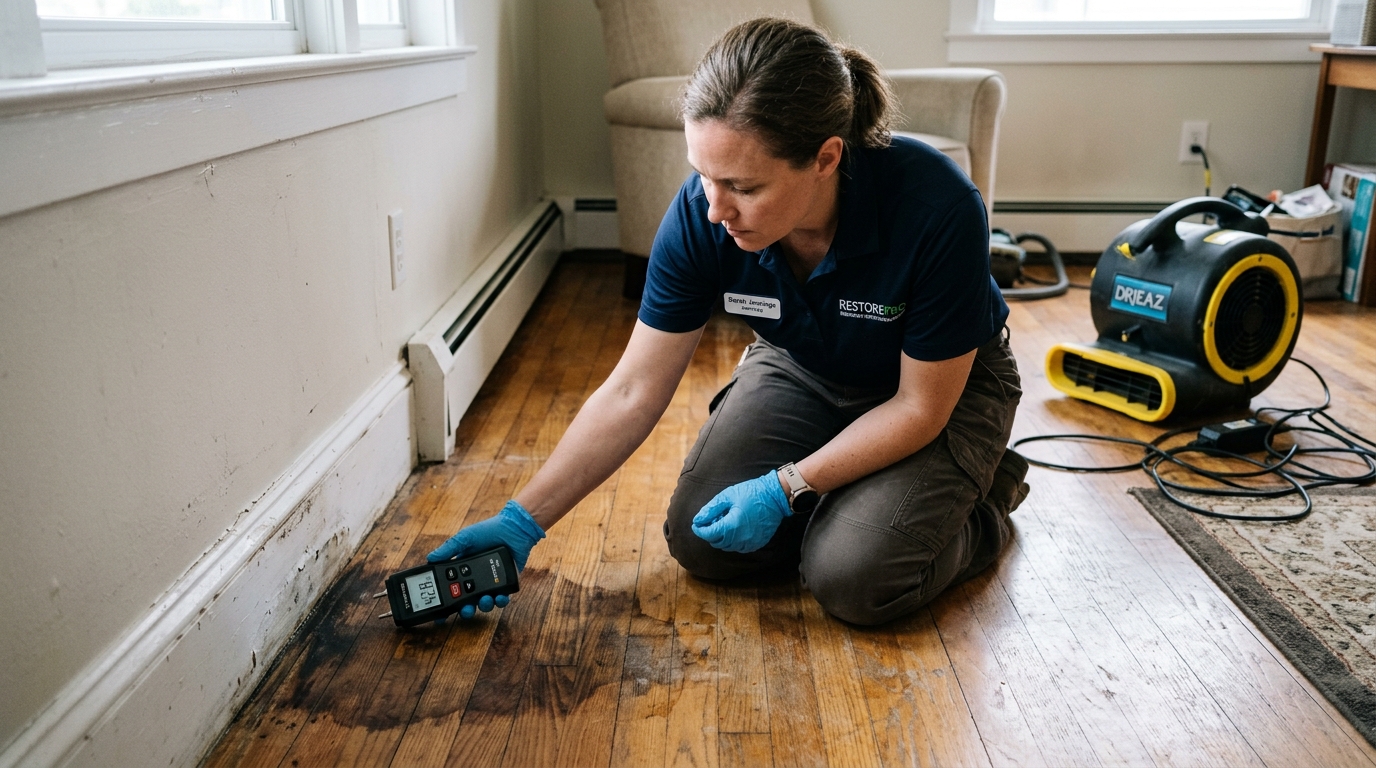
You found water damage in your home and need clear steps fast. Even small leaks can cause mold and structural damage within days. This guide will show you how to assess, document, and stop more harm.
Read on to protect your home.
Assess the Situation
Assess the situation right away. Find out where the water is coming from and how much damage it has caused.
Identify the source of water
Look for where the water enters the home. Check appliances, pipes, roof, and foundation for a water leak or damage. Note if flooding came from outside or from a burst pipe.
Turn off valves if you can and stop the water at the main supply. Take photos of the water source and affected areas for insurance claim and damage assessment. Call emergency response or a water restoration pro if you cannot stop the leak.
Evaluate the extent of the damage
Walk each affected room. Note wet walls, sagging ceilings, and warped floors. Check carpet padding and baseboards for saturation. Photograph all damage for your insurance claim.
Test cabinets and closets for hidden moisture. Measure standing water depth and mark stain lines on walls. Log affected items with dates and estimated values. Call a water restoration pro if structural damage or mold risk appears.
Ensure Safety
Ensure safety by turning off the electricity if water is near any outlets. Stay away from contaminated water, as it can be dangerous to your health.
Turn off electricity if necessary
Cut power at the main breaker if flooding reaches outlets, switches, or electrical panels and you can reach it from dry ground. Do not touch wiring, breaker boxes, or wet electrical devices while standing in water.
Call the utility company or a licensed electrician before you restore power. Use battery lights during evacuation and note the water leak, damage, and affected circuits for insurance and restoration teams handling drying and repairs.
For effective recovery, many homeowners turn to water damage restoration in NYC to ensure proper remediation and prevention of future issues.
Avoid contaminated water
Contaminated water can harm your health. It may come from floods, sewage backups, or leaks in old pipes. Stay away from any water that looks dirty or smells bad. Do not touch it or let it contact your skin.
If the area is unsafe, evacuate immediately. Use gloves and boots if you need to enter a contaminated space for safety purposes. Wash hands thoroughly after handling materials in those areas.
Keep children and pets away from affected zones to protect them from potential illness caused by contaminated water sources like flooding or leaks.
Document the Damage
Take clear photos and videos of the damage. Write down what was affected and how much it costs to replace or repair them.
Take photos and videos for insurance
Capture clear photos and videos of the water damage. Focus on each affected area, including walls, floors, and furniture. These images are vital for your insurance claim. They provide proof of the damage.
Keep a detailed record of all damaged items too. Write down their condition and any costs to repair or replace them. This documentation will help speed up your insurance process and assist in getting necessary repairs done quickly.
Keep a detailed record of affected items
List all items that were damaged. Write down their values and conditions. Take clear photos of each item. This will help with your insurance claim.
Organize your records by category, like furniture or electronics. Include anything that was affected by the water damage. Keeping this detailed record helps show what you lost and makes restoring your property easier.
Mitigate Further Damage
5. Mitigate Further Damage: Stop the water source if you can. Quickly remove any standing water to prevent more harm.
Stop the water source, if possible
Stop the water source if you can. Quickly shut off the main valve to prevent more flooding. If a pipe is leaking, find the nearest stop valve and turn it off. This will help limit damage to your property.
If there is a flood from outside, block any openings with sandbags or towels. Do not try to wade into deep water without proper safety gear. Stopping the flow of water protects both your home and belongings from further harm.
Remove standing water promptly
After stopping the water source, focus on removing standing water promptly. Water can cause more damage the longer it sits. Use a wet/dry vacuum to help with this task. If you do not have one, consider using buckets or towels to soak up the water.
Act quickly, as standing water can lead to mold growth and structural issues. The sooner you remove it, the better your chances are of limiting damage. Keep safety in mind while working in wet areas.
Be aware of any electrical hazards when dealing with flooded spaces.
Contact Professionals
Contacting professionals is key for proper restoration. They can help with the insurance claim and fix the damage safely.
Notify your insurance company
Notify your insurance company right away. Report the water damage to them as soon as possible. They may need details about the situation and the extent of the damage. Provide any photos or videos you took for documentation.
This will help with your insurance claim.
Your insurer can guide you through the next steps in recovery and potential repairs. They will inform you about what is covered under your policy and what documents are needed. After notifying them, it is essential to hire water damage restoration experts to start fixing the problem quickly.
Hire water damage restoration experts
Water damage restoration experts can help you quickly. They have the right tools and skills to deal with flooding or leaks. These professionals know how to assess damage properly. They will create a plan to restore your home safely.
Experts also handle the cleanup process efficiently. They remove standing water fast, which prevents mold growth. Their work often speeds up insurance claims too, as they document everything carefully for you.
Next, take steps to prevent mold growth after restoration services are complete.
Prevent Mold Growth
7. Prevent Mold Growth: Start drying out the wet areas right away. Use fans and dehumidifiers to help reduce moisture and stop mold from growing.
Begin drying and dehumidification
Start drying and dehumidifying as soon as possible. Quick action helps prevent mold growth and further damage.
- Open windows and doors to improve air flow. This will help moisture escape.
- Use fans to circulate air in the affected areas. Proper circulation speeds up the drying process.
- Set up dehumidifiers in rooms with water damage. Dehumidifiers pull moisture from the air.
- Remove wet items, like carpets or cushions, from the area. These can hold water and promote mold.
- Check for hidden pockets of water behind walls or under floors. These areas also need drying attention.
- Monitor humidity levels regularly with a hygrometer. Aim for a humidity level below 50% to stop mold growth.
- Dry out any buildings materials that are wet, such as drywall or wood beams. This may take several days.
- Use heat if necessary to speed up drying, but do not use open flames or unsafe methods.
Taking these steps will reduce damage after flooding or leaks while making sure your space stays safe and dry.
Sanitize affected areas
Sanitize affected areas to stop mold from growing. Use a mixture of water and soap or a cleaner with antifungal properties. Scrub surfaces that got wet. Pay close attention to walls, floors, and furniture.
Rinse well after cleaning. This process helps prevent more damage.
Once you sanitize the space, you can start drying and dehumidification.
Conclusion
Water damage can be stressful. Act fast to protect your property. Assess the damage and ensure safety first. Document everything for insurance claims. Contact restoration experts to fix the issues quickly.
Take steps to prevent mold growth as you clean up. Timely actions will help you recover better from this situation.