Solar Infrastructure Upgrades That Improve Energy Efficiency and Asset Performance
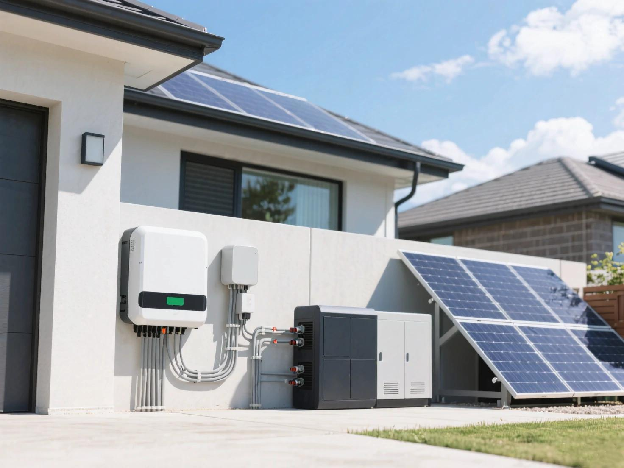
Solar energy has moved far beyond the simple “roof panel” version that illustrated its early use. Today, it increasingly relies on the surrounding infrastructure: inverters, battery storage, smart monitoring, and power panel capacity collectively functioning as a cohesive, highly visible device. First technology inverters or quietly restrict their gadget performance, and restrict their property basic energy performance by means of expansion Solar infrastructure improvements address this gap by unlocking time upgrade, more energy production, more reliable performance, and measurable upgrades in luggage prices A verifiable vehicle option, measurable options performance r improvements to critical to creating smart, cost-effective choices This article examines infrastructure improvements transforming residential solar overall performance today, their supply and business property values, and how owners can evaluate which upgrades most powerful back on financing It provides to go.
Why Solar Infrastructure Limits Aging System Performance
Many residential solar structures of yesteryear are built in the era available at the time ften offering reduction-display panels, primary wire converters, Solar Panel Installation Services Prince William County and limited monitoring capabilities Not an uncommon conclusion for those heading out to mounted solar installation focus services in Richmond for a collective performance difference of machinery be stead of full system options can meaningfully increase production and efficiency are because they struggle to keep pace with the new panel age or are unable to adjust production sometimes to partial shading and changing weather conditions Knowing these constraints in advance allows owners to cope proactively, rather than proactively
Deliveries
- Older solar designs typically use pre-components, which limits real-world performance capabilities.
- Many homeowners are unaware that their appliance is underperforming compared to modern needs.
- Local aggregate performance votes allow you to identify upgrade opportunities without full options.
- Older inverters are not uncommon and correctable overall performance bottlenecks.
Standard Systems Versus Infrastructure-Advanced Systems
The performance impact of targeted infrastructure improvements is clear when compared directly to trendy, upgraded solar systems.
| Metric | Standard/Aging System | Infrastructure-Upgraded System |
|---|---|---|
| Average Energy Production Efficiency | 75%–85% of rated capacity | 92%–98% of rated capacity |
| Inverter Response to Partial Shading | Poor to moderate | Optimized, panel-level |
| System Monitoring Visibility | Limited/none | Real-time, app-based |
| Annual Energy Loss (avg.) | 12%–20% | 3%–7% |
| Property Value Contribution | Moderate | Higher |
| System Lifespan Extension | Baseline | +5–10 years |
To visualize the impact of infrastructure improvements on power efficiency over the years, recall the simplified trend:
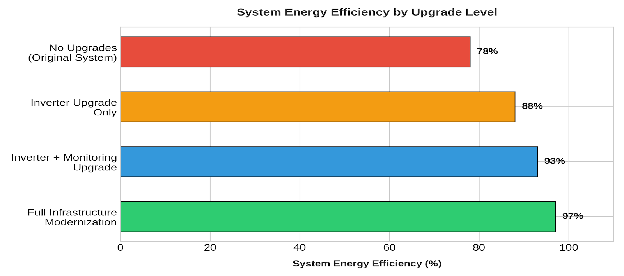
Moti highlights a purely aggregate performance pattern: as infrastructure components are upgraded, power performance rises incrementally, maximizing huge gains when inverters, monitors, and panel phase optimization are upgraded en masse instead of in isolation.
The Business Case for Targeted Infrastructure Upgrades
Rather than replacing an entire solar device, most homeowners get the most powerful return on investment through targeted improvements that tackle specific additions that limit performance. Inverter replacement, for example, a Solar Installation Company in Chesapeake can often provide disproportionately large overall performance improvements relative to its cost because it simultaneously affects how DC power from panels successfully converts to usable AC power for the home. Energy production has stopped decreasing months or years before it is noticed
Deliveries
- Targeted renewals generally provide a more powerful ROI than a full appliance option.
- The industrial machinery audit helps direct funding towards the highest-impact additions.
- Inverter upgrades typically provide tremendous performance gains relative to cost.
- Modern tracking quickly picks up low performance, silently preventing power loss
Property Value and Energy Saving Effects
Beyond immediate energy outcomes, infrastructure improvements have a measurable impact on both long-term electricity savings and house prices. The table below compares typical economic outcomes across levels of improvement.
| Upgrade Level | Avg. Annual Energy Savings Increase | Avg. Property Value Contribution | Payback Period |
|---|---|---|---|
| No Upgrades | Baseline | Baseline | N/A |
| Inverter Upgrade Only | +$180–$350/year | +1%–2% | 4–6 years |
| Monitoring + Optimization | +$250–$480/year | +2%–3% | 3–5 years |
| Full Infrastructure Modernization | +$400–$750/year | +3%–5% | 3–4 years |
The data shows a consistent trend: while any upgrade can provide measurable value, full infrastructure upgrades consistently deliver the most powerful mixed returns, in ongoing energy and financial savings and typical property value contributions — making it an increasingly attractive choice for homeowners who plan to stay in their properties longer
Choosing the Right Partner for Infrastructure Upgrades
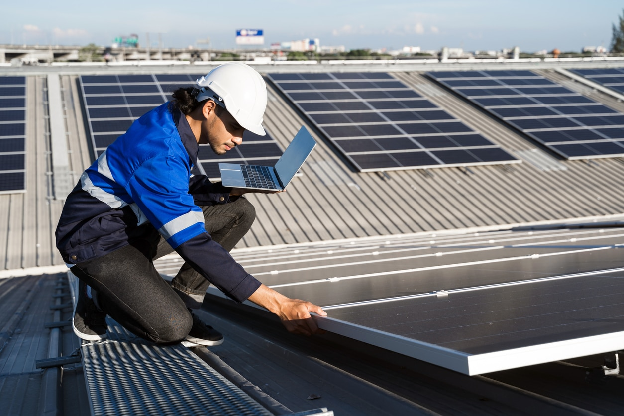
Because infrastructure improvements involve working within current electrical and solar systems, choosing a skilled, certified installer is essential to ensure upgrades are carried out safely and provide the purported overall performance benefits, a knowledgeable residential solar panel installer in full compliance among e. This diligence is significantly important, as poorly matched additions or improperly built-in enhancements can create new inefficiencies or retention issues rather than existing solutions. Homeowners should evaluate capacity installers based primarily on their experience with clear Indications to assess their deficiencies.
Deliveries
- Experienced installers are critical to upgrading a secure, powerful infrastructure.
- Thorough gadget testing ensures that new additions combine well with the existing structure.
- Poorly consistent updates can create new problems instead of solving current ones.
- The retrofitting is a great set of skills worth comparing one-to-one with new installation photos.
Final Thoughts
Solar infrastructure improvements are one of the most price-powerful approaches for owners to load significant upgrades in energy and property performance beyond the cost of a full gadget option As the solar-rich age grows, even structures hooked up for some of their already true capacity can then operate well below Prioritizing panel optimization, effici- focused on maximizing long-term costs offers a clean, Residential Solar Panel Installer Maryland scalable path to more powerful energy savings and property-wide performance as homeowners who actively invest in upgrading their solar infrastructure grow aware of their upgrade options Increasingly, those who rely on the first machine shapers will compose.
Frequently Asked Questions
How do I understand if my solar machine needs an infrastructure upgrade?
Signs include decreasing power output, loss of real-time monitoring, an aging inverter, or use of an older generation, and a system that has been installed for more than 5 to seven years in the past
Is it more about upgrading the infrastructure or upgrading the entire solar system?
Targeted improvements for maximum owners — primarily converters and monitoring improvements — offer a more powerful return on investment than a full machine replacement
How can infrastructure upgrades improve energy performance with high honesty?
The data suggests that efficiency can increase from less than 75%–eighty-five% of rated capacity to 92%–98% on increasingly old systems after complete infrastructure modernization.
Do solar infrastructure upgrades necessarily affect property taxes?
Yes. Full infrastructure upgrades are associated with an estimated asset value contribution of 3%–five%, along with significant ongoing electricity savings.
What should owners look for when deciding on an installer to upgrade?
Prioritize installers with exceptional reset and upgrade benefits, thorough system evaluation practices, and clear documentation of expected overall performance improvements.