How Technology Is Changing the Way Modern Farms Operate
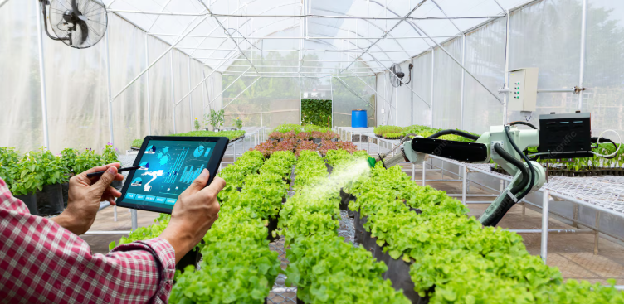
A broken irrigation pump, expensive fertilizer pass, or idle tractor can quickly eat into farm margins. Farmers must protect yields without adding unnecessary costs. Farm technology reveals field conditions, guides machinery, and detects problems earlier.
Farms need not buy robots: timely information helps growers act before damage or failures become obvious. The question is which tools save enough time, water, fuel, or crop inputs to justify their cost. Buying equipment without a clear purpose can simply add another bill without fixing lost time or inputs.
What Returns Did a 2026 USDA Economic Study Find?
A 2026 USDA economic study found that robotic milking or using multiple precision dairy technologies was associated with a 13% increase in dairy net returns on average. That is not a guaranteed return for crop farms; the study focused on dairy operations.
Results depend on the operation, the technologies used, and their costs. Farmers should compare a tool’s expected benefits with purchase, setup, training, and maintenance expenses before investing.
Why Local Equipment Support Matters in West Texas
Technology helps only when equipment works during planting, spraying, and harvest. Farmers looking into deere west texas can consider machinery, guidance, parts, and service together.
When comparing John Deere dealers in Texas or John Deere tractor dealers, ask whether technicians can support guidance displays, software updates, and older machinery. Unrepairable features can cause costly delays.
What Has Changed About Everyday Farm Operations?
Modern farms increasingly connect equipment, GPS positioning, soil measurements, weather information, and farm records. Growers can adjust planting, irrigation, and crop protection by field zone. The goal is straightforward: fewer wasted inputs, faster problem detection, and better-informed decisions.
Here is how those tools work across a growing season.
GPS Guidance Makes Fieldwork More Accurate
GPS-guided tractors and auto-steering systems help operators follow consistent paths when planting, spraying, or applying fertilizer. Accurate passes reduce gaps and overlap. RTK corrections can improve guidance accuracy further. For example, following consistent guidance lines across planting and spraying makes repeat passes easier to manage. Check recorded field coverage before assuming savings.
Variable-rate technology goes further. It varies seed or fertilizer rates using soil tests and maps. That matters when one part of a field needs different treatment from another.
Guidance still requires calibration, suitable equipment, and an operator who checks field conditions.
Soil Sensors Help Farmers Use Water More Carefully
Calendar-based irrigation can waste energy or under-water crops. Soil probes measure root-zone moisture; weather data helps estimate crop water demand.
For a West Texas cotton grower, this information can help prioritize irrigation when pumping capacity is limited. Connected controls can flag pump failures. However, a probe in one low spot may not represent a sandy or elevated field zone; placement and calibration matter.
Sensors do not replace field inspections. Their readings need to be interpreted alongside soil type, rooting depth, rainfall, and growth stage.
Drones and AI Reveal Problems Earlier
Drones and satellites flag uneven growth, pests, or water stress. Growers can inspect flagged spots first.
AI can sort images and summarize machinery data. However, a discolored patch is not automatically a disease diagnosis. Ground scouting, samples, and agronomic advice are necessary before choosing treatment.
Targeted spraying and robotic weeders may limit unnecessary treatments. After a heat wave, imagery can prioritize scouting, but it cannot determine whether an application is economically justified.
Automation Also Changes Labor and Maintenance
Farm automation is not limited to driverless machinery. Telematics reports engine faults, hours, fuel, and locations. Managers can plan maintenance and reduce idle travel.
Livestock operations also use activity sensors and robotic milking. Staff must still check welfare, cleanliness, and unusual readings.
Technology works best when it removes repetitive work without hiding important decisions from experienced operators.
The Farm Technology Payback Test Most Buyers Miss
Before buying, calculate the problem’s cost. Consider a hypothetical sprayer covering 1,000 acres. If better guidance reduces duplicate coverage by five percentage points and a full-acre application costs $40, that represents roughly $2,000 in avoided duplicate application expense per comparable pass. Actual savings vary.
The Government Accountability Office’s review of precision agriculture identifies high upfront equipment costs and technology compatibility issues as barriers to adoption. A limited trial can help a farm assess whether a tool fits its operation before expanding the purchase across the fleet.
Use a simple trial:
- Record the baseline: Track fuel, labor hours, input rates, downtime, and yield in the current system.
- Run a limited comparison: Test the proposed tool on similar fields or equipment, allowing for weather and soil differences.
- Count full ownership costs: Include installation, subscriptions, connectivity, training, repairs, and financing, not just purchase price.
If savings remain uncertain, trial a retrofit before upgrading a fleet.
What Can Prevent Technology From Paying Off?
Disconnected sensors, incompatible displays, or inaccessible data reduce value. Check compatibility, map exports, and offline operation before buying.
Confirm data ownership, access, and updates. Test what happens during signal outages, and make sure manual controls remain available for critical equipment. Check local service response times as carefully as advertised accuracy. Reliable support may matter more than an impressive feature list.
Frequently Asked Questions
How does technology improve modern farming?
Technology improves farming by helping operators apply seed, water, and chemicals more precisely, monitor crops sooner, and organize fieldwork better. GPS guidance can reduce overlap, sensors improve irrigation decisions, and machinery data can identify maintenance needs. Benefits depend on correct setup, reliable measurements, and whether the tool addresses a real operational problem.
What is the difference between smart farming and precision agriculture?
Precision agriculture focuses on managing differences within fields or among animals using measurements and targeted actions. Smart farming is broader: it also includes connected devices, remote controls, artificial intelligence, and automated workflows. A moisture sensor guiding irrigation is a precision tool; connecting it to alerts and pump controls makes it part of a smart system.
Can small farms benefit from agricultural technology?
Yes. Small farms do not need autonomous tractors to see value. A basic moisture sensor, GPS guidance retrofit, livestock monitor, or digital maintenance log may address a costly recurring problem. Start with the simplest option that suits the acreage, crops, connectivity, and available technical support, then compare its costs with measurable savings.
Can drones replace walking fields to check crops?
No. Drones can locate areas worth investigating, but aerial images usually cannot confirm the cause of plant stress. Heat, pests, nutrient shortages, and irrigation problems may produce similar visual patterns. Farmers still need ground checks, soil or tissue tests when appropriate, and expert judgment before changing treatments or application rates.
What should farmers check before buying automated equipment?
Check equipment compatibility, total ownership cost, signal coverage, data access, training requirements, and local repair support. Ask for a demonstration using your actual equipment and field conditions. Establish the problem you want to solve and a measurement of success before signing a contract, so you can assess results after the first season.
Practical Steps for the Next Growing Season
Start with one recurring expense or delay, such as overlapping spray passes, excess pumping, or unexpected machinery downtime. Gather a baseline, select one suitable technology, and test it on a manageable scale. Review the results with your operator, agronomist, and equipment technician.
Keep tools that deliver field-tested value. Expand only when the savings, reliability, and support justify the next investment.