How Humor Helps People Learn and Remember Information
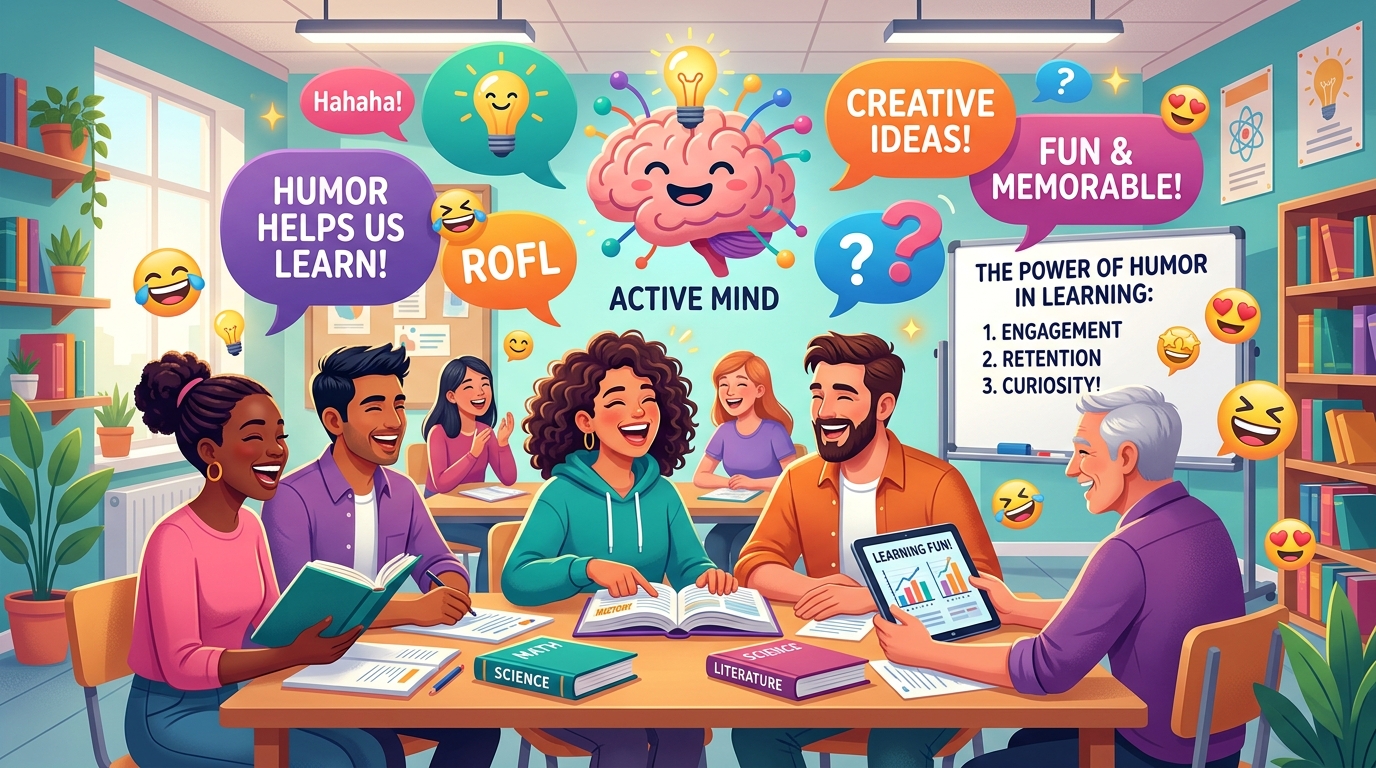
Learning is often associated with concentration, repetition, and discipline, but emotion also plays a major role in how well information is remembered. Humor is especially powerful because it can make difficult or unfamiliar material feel easier to process. A funny example, unexpected comparison, or memorable joke can turn an ordinary explanation into something that stays in the mind much longer.
One reason humor works is that it captures attention. When people laugh or encounter something surprising, they temporarily become more engaged with what they are seeing or hearing. That extra attention gives the brain a better chance to process the information. Humor can also reduce tension, making learners feel more comfortable with difficult subjects and more willing to participate.
This is why visual humor has become common in classrooms, presentations, marketing, and online education. Teachers and content creators may use illustrations, reaction images, or a meme creator to turn a concept into something more relatable and easier to remember. When the humor supports the idea rather than distracting from it, the message often becomes more accessible.
Humor works as a learning tool because it combines attention, emotion, memory, and social connection. Relevant humor strengthens concepts — irrelevant humor competes with them. The key question: Does this make the idea easier to understand or remember?
Humor Makes Information More Noticeable
The brain is constantly filtering information. At any moment, there are sounds, images, conversations, thoughts, and other signals competing for attention. Most of them are ignored because the brain cannot process everything equally.
Unexpected information stands out. Humor often works through surprise. A joke introduces an idea and then changes direction in a way the listener did not expect. That moment of surprise increases attention.
In educational settings, this can be useful because students may become more alert when material breaks from a predictable pattern. For example, a long lecture filled with similar explanations can become difficult to follow. A humorous example can create a mental reset. It gives students a new reason to pay attention.
Emotion Supports Memory
People tend to remember emotionally meaningful experiences better than completely neutral ones. Humor creates a positive emotional response. That emotional response can become attached to the information being presented.
Imagine two teachers explaining the same concept. One simply gives a definition. The other gives the definition and follows it with a funny real-life example. Students may remember the second explanation more easily because the example created an emotional reaction. The humor becomes part of the memory. Later, remembering the joke may help bring back the concept connected to it.
Humor creates a positive emotional tag on information. When you later recall the joke, the associated concept comes back with it — making retrieval faster and more reliable.
Humor Can Reduce Learning Anxiety
Some subjects create anxiety. Mathematics, public speaking, grammar, science, or technical training may feel intimidating to learners who have struggled with them before.
Anxiety can interfere with learning because part of the learner’s attention becomes focused on worry. Thoughts such as “I’m going to get this wrong” or “Everyone understands this except me” take up mental resources.
Appropriate humor can reduce that tension. A relaxed learner may be more willing to ask questions, attempt difficult tasks, and make mistakes. This matters because mistakes are an important part of learning. When people are afraid of being wrong, they may avoid participating. Humor can create an environment where errors feel less threatening.
Funny Examples Make Abstract Ideas Concrete
Many academic concepts are difficult because they are abstract. A definition may be technically accurate but still hard to understand. Examples make ideas easier to visualize. Humorous examples can make them even more memorable.
Suppose a teacher is explaining opportunity cost in economics. Instead of giving only a formal definition, they might say that spending an entire evening watching a terrible series has an opportunity cost: those same hours could have been used to sleep, exercise, study, or watch a better series.
The example is simple, relatable, and slightly humorous. The learner now has a practical situation connected to the abstract concept. This makes the idea easier to retrieve later.
Humor Encourages Participation
Learning improves when students actively participate. Passive listening can be useful, but discussion, questioning, and practice generally produce deeper understanding.
Humor can encourage participation because it makes communication feel less formal. When a teacher uses light humor, students may feel more comfortable speaking. They may ask more questions. They may share their own examples. They may respond more naturally.
This creates a more interactive learning environment. The same principle applies in workplace training. Employees are often more engaged when presentations feel conversational rather than overly formal. A small amount of appropriate humor can make training feel more human.
Not Every Joke Improves Learning
Humor is useful only when it supports the learning goal. If a joke has nothing to do with the topic, students may remember the joke but forget the lesson. This creates an important distinction.
| Type of Humor | Effect on Learning | Example |
|---|---|---|
| Relevant humor | Strengthens the concept | Joking about “password123” while teaching cybersecurity |
| Irrelevant humor | Competes with the concept | Telling a random vacation story during a security lesson |
The goal is not simply to make people laugh. The goal is to use humor as a tool for understanding.
Memes Can Work as Educational Shortcuts
Memes are useful because they combine images, short text, and shared cultural knowledge. When people understand the format, a meme can communicate an idea very quickly.
Educational memes often work by exaggerating a familiar problem. For example, a student studying statistics might recognize a meme about confusing correlation with causation. The humor depends on understanding the difference. In that case, the joke can reinforce knowledge.
Memes can also help learners remember terminology. A visual reference may become connected to a specific concept, making it easier to recall during revision. However, educators should still provide proper explanations. A meme can introduce or reinforce an idea, but it usually cannot replace a complete lesson.
Humor Can Improve Classroom Relationships
Learning is partly social. Students often perform better when they feel comfortable with the person teaching them. Humor can make instructors appear more approachable.
A teacher who can laugh at small mistakes or use light humor may create a less intimidating environment. This does not mean teachers need to become comedians. Too much joking can reduce focus or make the classroom feel unstructured. The most effective humor is usually natural and occasional. It supports connection without taking over the lesson. When students feel respected and comfortable, they are more likely to engage.
Stories and Humor Work Well Together
Stories are already powerful learning tools. Humor can make them even stronger. A story provides context. It gives information a beginning, middle, and end. When humor is added, the story becomes more emotionally engaging.
For example, a business instructor explaining customer service could describe a real or fictional situation where a small communication mistake became unnecessarily complicated. The humorous details make the story memorable. The lesson becomes clear because the audience can see what went wrong.
Stories are particularly useful when teaching soft skills such as communication, leadership, teamwork, and problem-solving. These subjects are easier to understand through realistic situations than through definitions alone.
Humor Can Encourage Creative Thinking
Humor often depends on making unexpected connections. A joke may connect two unrelated ideas in a surprising way. This type of thinking is similar to creativity. Creative thinking often involves looking at familiar information from a different perspective.
Because humor encourages mental flexibility, it can sometimes support brainstorming. Teams may generate more ideas when the environment feels relaxed. People become less afraid of suggesting unusual possibilities. In contrast, highly critical environments can reduce creativity because participants start filtering ideas before expressing them. A small amount of humor can make experimentation feel safer.
Humor Helps During Presentations
Presentations often struggle with attention. An audience may begin listening carefully but gradually become distracted. A well-placed humorous example can bring attention back. It changes the emotional rhythm of the presentation.
This is especially useful when explaining technical information. For example, a presentation filled with charts and statistics may become tiring. A relevant humorous comparison can give the audience a brief mental break while still reinforcing the main point.
Too much humor can reduce credibility. Too little variation can make a presentation difficult to follow. The key is timing — use humor strategically to re-engage your audience without undermining your message.
Humor Can Make Revision Less Boring
Revision often involves repetition. Students review the same material several times to strengthen memory. This can become boring. Adding humor can make repetition more engaging.
Students might create funny associations between difficult terms and familiar situations. They might use visual jokes to remember processes. They might invent exaggerated examples. These techniques work partly because unusual information is easier to distinguish from ordinary material. A strange or funny association may sound silly, but if it helps someone remember an important concept, it has served a useful purpose.
Group Learning Benefits From Shared Humor
Humor can also strengthen social connections among learners. Study groups often develop inside jokes around difficult topics. These jokes can become memory cues.
For example, if a group repeatedly makes the same funny comparison while studying a concept, members may remember the comparison during an exam. Shared humor also makes studying feel less isolating. This can increase motivation. People are often more willing to continue difficult work when the experience includes positive social interaction. Learning does not always need to feel serious in order to be effective.
Humor Should Be Inclusive
Humor in educational settings needs to be used carefully. A joke should not make learners feel targeted or embarrassed. Humor based on humiliation can damage trust.
• Focus on situations, common mistakes, or shared experiences
• Avoid targeting individuals
• Use self-directed humor (e.g., joking about your own mistakes)
• Show students that mistakes are normal
• Respect should always come before entertainment
Cultural Differences Matter
Humor is not universal. A joke that works in one culture may be confusing or inappropriate in another. This is especially important in international classrooms and online education. References, slang, sarcasm, and cultural assumptions may not translate well.
Simple situational humor is often more reliable. Educators should also avoid relying too heavily on references that require specific cultural knowledge. The purpose is to make information easier to understand, not harder.
Humor Is Most Effective When It Supports a Clear Goal
Good educational humor has a purpose. It may help explain a concept. It may make an example memorable. It may reduce tension. It may encourage participation. It may help an audience refocus.
Before adding humor, it is useful to ask one question:
Does this make the idea easier to understand or remember?
If the answer is yes, the humor is probably useful. If the joke exists only for entertainment, it may distract from the main message.
Conclusion
Humor can be a surprisingly effective educational tool because it combines attention, emotion, memory, and social connection. A relevant joke or funny example can make difficult material easier to process, reduce anxiety, and help learners remember important ideas.
The strongest results appear when humor supports the subject rather than competing with it. Memorable examples, visual jokes, relatable stories, and light classroom humor can all make learning feel more engaging without reducing its seriousness.
Education does not need to be boring to be valuable. When used thoughtfully, humor can turn a difficult concept into something approachable, memorable, and easier to understand.