Home Improvement Ideas for a More Comfortable Living Space
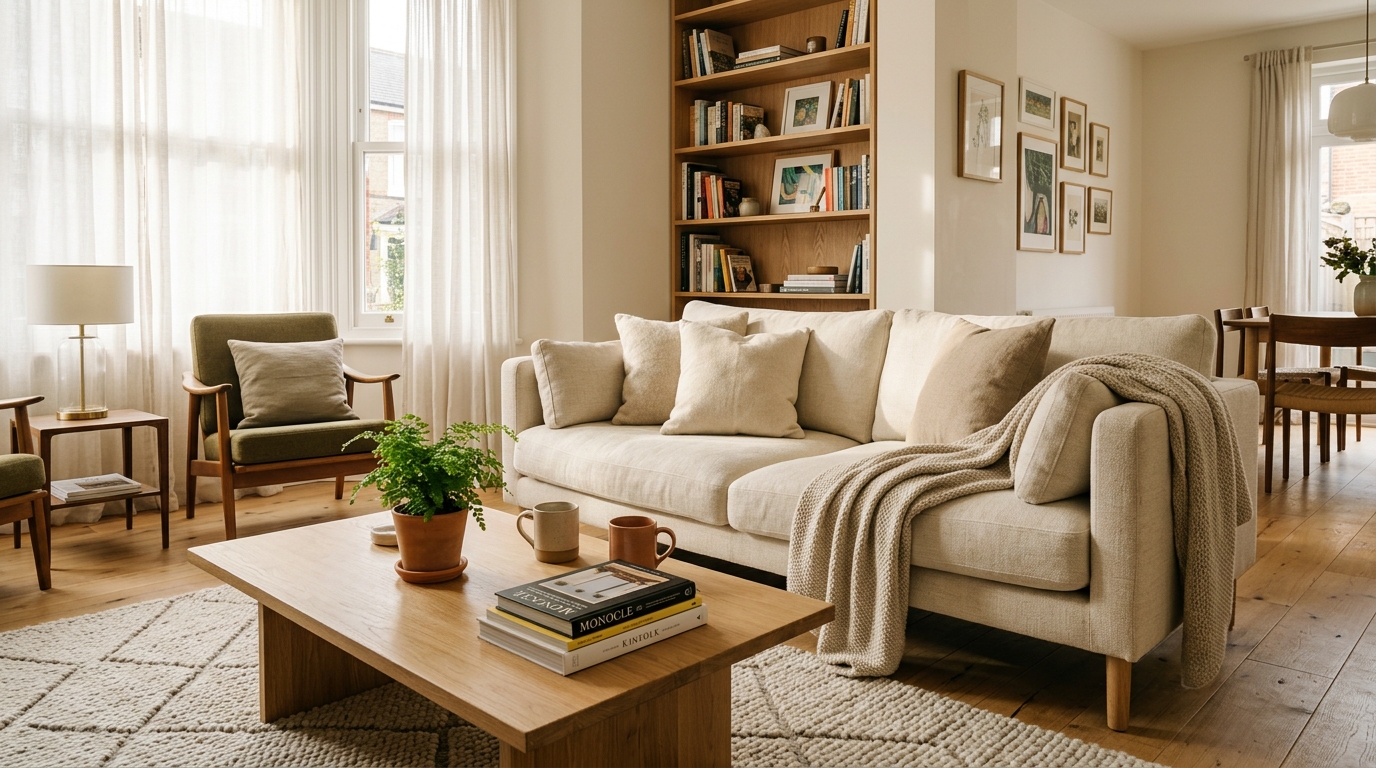
Many people feel their homes are cramped, dark, or out of date. Small upgrades in lighting, layout, and air quality can make a big difference.
This post gives simple home improvement ideas to boost comfort, design, and storage. Read on for easy tips.
Refresh Interior Design
Refreshing your interior design can bring new life to your home. Updating wall colors or rearranging furniture makes a big difference in how the space feels.
Consider exploring options for home remodeling in Wilmette to enhance both aesthetics and functionality.
Update wall colors or add wallpaper
Updating wall colors or adding wallpaper can bring new life to your home. A fresh look can change your space’s mood and style.
- Choose light colors for a brighter room. Lighter shades make spaces feel larger and airier.
- Darker tones create a cozy atmosphere. Use rich colors in small rooms for warmth.
- Wallpaper adds texture and pattern. It gives walls character and can be a focal point.
- Peel-and-stick options are easy to use. They allow quick changes without long-term commitment.
- Consider accent walls for bold effects. One wall with a strong color or pattern changes the room’s feel.
- Neutral colors suit almost any decor. They provide a calming backdrop for furniture and art.
- Bright hues energize a space. Use them in areas where you want to feel lively, like kitchens or playrooms.
- Patterns can hide imperfections, making them practical as well as decorative. A busy design distracts from flaws on the wall surface.
- Test paint samples before deciding. Apply swatches on the wall to see how they look at different times of day.
- New paint or wallpaper enhances aesthetics and comfort at home. This simple update makes you enjoy your living space more.
Rearrange furniture for better flow
A good furniture layout makes a space feel open and inviting. Flow is important for comfort and usability.
- Start with key pieces. Place larger items like sofas and beds first. They should define the space.
- Ensure pathways are clear. People should move easily from one area to another without obstacles.
- Use a central point as a focus. This could be a coffee table, fireplace, or entertainment center, anchoring the room.
- Group similar items together. Keep tables near seating areas to create social zones for activities like eating or playing games.
- Test different arrangements. Move pieces around until you find what feels right for your needs.
- Consider the purpose of each room. Tailor your arrangement to how you use the space daily.
- Limit clutter in pathways. Keeping areas tidy allows for better movement and comfort.
- Balance the design visually. Mix heights and shapes of furniture to create an appealing look throughout the room.
- Leave enough space for traffic flow around furniture edges, ensuring everyone can navigate safely and easily.
- Think about lighting when rearranging furniture; ensure lamps and windows provide adequate light where needed.
These adjustments can transform your home into a more comfortable living space while enhancing aesthetics too!
Upgrade Your Lighting
Upgrade your lighting to improve your space. Dimmable lights let you control brightness for different moods, while smart systems can make lighting changes with a touch or voice command.
Install dimmable lights
Good lighting lifts comfort in a room. Dimmable lights help control mood and energy use.
- Explain the benefit of dimmable lights for comfort and design, noting that they let you set soft light for relaxation and bright light for tasks, which improves home improvement and interior design goals.
- Describe common dimmer types, such as rotary, slide, and digital models, and state that many work with LED bulbs to cut energy use and lower costs.
- Recommend places to install dimmable lights, including living rooms, bedrooms, and dining areas, and note that layered lighting creates better flow and enhances aesthetics.
- Advise on bulb selection, saying to choose compatible LED or halogen bulbs, check lumen output for brightness needs, and match color temperature to room style.
- Outline a simple installation plan, suggesting turning off power, replacing the switch with a dimmer rated for the load, testing with chosen bulbs, and calling a licensed electrician for complex circuits.
- Mention control options, like wall dimmers, remote dimmers, and smart dimmer switches, and explain that adding these options increases convenience and helps with renovation and remodeling upgrades.
Next, look at adding smart lighting systems to gain remote control and automation.
Add smart lighting systems
Smart lighting makes rooms feel more comfortable. It adds control and modern design to your interior.
- Choose smart bulbs from brands like Philips Hue or LIFX that fit your fixtures and match your design goals.
- Use a central hub or app to set scenes that change color and brightness for reading, relaxing, or working.
- Link lights to voice assistants such as Alexa, Google Assistant, or Siri to control lighting hands free.
- Set schedules so lights turn on before you arrive home and dim at bedtime to boost comfort and safety.
- Add motion sensors in hallways and closets to save energy and reduce manual switching.
- Pair smart lighting with dimmable fixtures to create layered lighting that improves mood and task performance.
- Monitor energy use in the app to track savings and support renovation decisions for future upgrades.
- Match smart switches and plugs to existing wiring during remodeling to keep a clean look and maintain value.
Optimize Space for Functionality
To make your home work better, use furniture that serves more than one purpose. Create areas for different activities to keep things organized and easy to use.
Use multi-functional furniture
Choose multi-functional furniture to save space and add storage. A sofa bed and a storage ottoman give seating, sleeping, and hidden space.
Opt for extendable tables and wall beds to make rooms flexible. These upgrades fit remodeling plans, improve comfort, and boost interior design.
Create designated zones for activities
Creating designated zones for activities helps improve comfort in your home. These areas make it easier to enjoy different tasks or hobbies.
- Set up a reading nook. A cozy chair with good lighting invites you to immerse yourself in books. Add a small table for drinks and snacks.
- Design a workspace. A desk in a quiet corner promotes focus. Keep supplies organized and within reach for easy access.
- Make an entertainment area. Home theater seating arranged around a TV creates a comfortable spot for movie nights and longer viewing sessions. Use shelves for games and movies.
- Build a play zone for kids. Soft rugs and toys allow children to play safely. This keeps the mess contained and fun close at hand.
- Establish a dining zone. A good-sized table makes family meals special. Add comfortable chairs so everyone enjoys their time together.
- Create an exercise corner. Use lightweight equipment like mats or dumbbells for workouts at home. This encourages staying active without needing a gym membership.
- Arrange an outdoor zone if space allows; include seating, plants, or decorations to enhance enjoyment outside.
Enhance Indoor Air Quality
Indoor air quality is key to a healthy home. You can improve it by using air purifiers and adding plants around your space.
Add air purifiers
Air purifiers improve indoor air quality. They remove dust, smoke, and allergens from the air. This helps everyone breathe easier. Many models also fight germs and bacteria.
Using an air purifier can reduce allergy symptoms. It makes your home a healthier place to live. Add one in each room for maximum benefit. Clean air leads to better sleep and more comfort at home.
Incorporate indoor plants
Adding indoor plants boosts both comfort and air quality. Plants like snake plants, pothos, or peace lilies can help filter the air. They absorb toxins and release oxygen. This makes your home feel fresher.
Indoor plants also bring life to your space. Greenery can make any room look more inviting. Use different sizes of pots for variety. Place them in corners or on shelves to brighten up dull areas.
Your home will both smell better and feel cozier with these natural touches.
Conclusion
Home improvement can boost your comfort at home. Simple changes make a big difference. Bright lights create warmth, while plants improve air quality. Fresh colors and smart furniture help you feel more at ease.
Make these upgrades to enjoy a better living space now.