Choosing the Right Materials for a Long-Lasting Deck
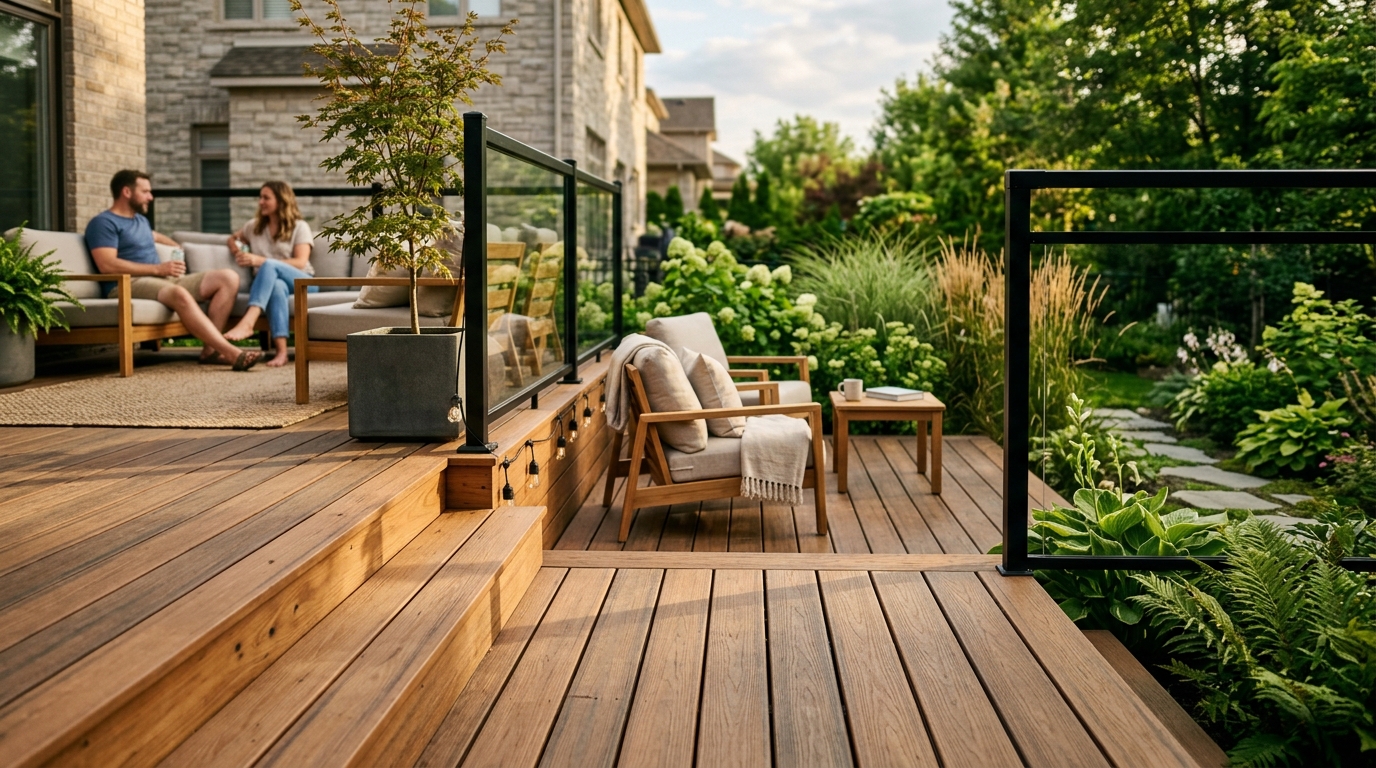
Are you tired of a deck that warps, stains, or falls apart after a few seasons? Different materials like wood, composite, PVC, and aluminum last very different lengths of time. This post will compare durability, maintenance, cost, and looks to help you pick the best decking material.
Read on to find the right fit for your outdoor space.
Key Factors to Consider When Choosing Deck Materials
When choosing deck materials, think about how long they will last and how much care they need. Also, keep in mind your budget and the look you want for your outdoor space.
Durability and Longevity
Durability affects how long a deck lasts under outdoor conditions. Composite and PVC resist rot and insect damage. Cedar and redwood resist decay better than pine but need more upkeep.
Aluminum resists corrosion and needs very little maintenance.
Longevity depends on material, climate, and care. Composite decking often lasts 25 to 30 years with regular upkeep. PVC and ipe can reach 30 to 40 years with proper maintenance. Expect cedar and redwood to last about 15 to 20 years with frequent staining and sealing.
Maintenance Requirements
After evaluating durability and longevity, plan for upkeep needs. Wood decking needs the most care. Homeowners must sand, stain, and seal natural wood. Moist climates make staining more frequent.
Composite decking cuts down on maintenance. Owners should sweep and wash composite twice a year. PVC decking needs the least upkeep, just soap and water cleaning. Proper maintenance extends longevity and protects outdoor living investments.
Budget and Cost Effectiveness
Good budgeting links maintenance and material choices.
| Aspect | Summary Point |
|---|---|
| Initial costs | Initial costs vary by material and design complexity. |
| Material price | Natural wood often costs less per board but may need more upkeep. |
| Installation fees | Labor increases total spend, especially for complex patterns or Ipe. |
| Maintenance cost | Regular sealing and staining add annual expenses. |
| Long-term value | Some premium materials last decades with little upkeep. |
| Energy and safety | Heat resistance and slip performance affect lifecycle costs. |
| Resale impact | Higher quality decks can raise property appeal and market value. |
| Warranty options | Long warranties reduce future replacement risk. |
| Budget tip | Balance upfront spend with projected maintenance for best value. |
Aesthetic Appeal and Design
A deck should look good and fit your home. Choose colors and styles that match your house’s design. Wood can bring warmth with its natural look, while composite materials offer a sleek finish and come in various shades.
Think about how the deck will be used. A stylish space invites friends over for fun gatherings or quiet evenings outside. Lighting options can also enhance the design, making it more inviting at night.
Popular Deck Material Options
Many people choose different materials for their decks. Common choices include natural wood, composite materials, and PVC options. Each type offers unique benefits and styles. If you want to learn more about these popular choices, keep reading!
Natural Wood: Cedar, Redwood, and Ipe
Cedar, redwood, and ipe are popular choices for decking. Cedar is lightweight and resistant to rot. It has a warm hue that many homeowners love. Redwood offers beauty and strength but can be pricier.
Ipe is very dense and strong; it lasts longer than many woods.
All three types require some upkeep. Regular sealing helps prevent damage from moisture. Each wood has its own unique look; this makes choosing an aesthetic easier. Cost also varies among these options, so budget considerations matter.
Select the one that meets your needs for beauty, durability, and maintenance level.
Composite Decking
Composite decking is a popular choice for many homeowners. It combines wood fibers and plastic materials. This mixture makes it durable and long-lasting. Composite decks resist fading, splintering, and rotting.
They require less upkeep than natural wood.
Cleaning composite decking is easy. A simple wash with soap and water keeps it looking fresh. This material also comes in various colors and styles to match your home’s design. Many people choose composite for its attractive look paired with low maintenance needs.
PVC Decking
PVC decking is a popular choice for many homeowners. It offers great durability and longevity. This material resists mold, stains, and moisture better than wood. It requires very little maintenance; you only need to clean it occasionally with soap and water.
Many people choose PVC for its sleek look, which can enhance outdoor living spaces. You can find it in various colors and styles to fit your design needs. Although the initial cost may be higher than wood, its long-lasting nature makes it cost-effective over time. If you’d rather stick with a natural wood look without sacrificing durability, Black Locust decking is one of the few wood species that can rival composite and PVC for longevity and rot resistance.
Aluminum Decking
Aluminum decking offers a strong and lasting choice for outdoor spaces. This material resists rust, rot, and insects. It can withstand harsh weather conditions. Homeowners value its durability and low maintenance needs.
You do not need to stain or seal it like wood. A simple wash with soap and water is enough for upkeep.
The appearance of aluminum decking has improved over the years. It comes in many colors and styles, fitting various designs easily. This type of decking also reflects heat, keeping surfaces cooler underfoot on sunny days.
Though the initial cost may be higher than some other materials, its long lifespan often makes it a cost-effective option over time. Many people choose aluminum for effortless outdoor living without constant worry about repairs or replacements.
Tips for Selecting the Best Material for Your Needs
Check your local weather and climate. This will help you choose a deck material that lasts longer and needs less care.
Assess Your Climate and Weather Conditions
Climate plays a big role in choosing deck materials. Weather conditions affect how long your deck lasts.
- Hot climates can warp and crack wood. Choosing hardwoods like Ipe may help resist damage, which is why many beachfront properties and Faria Beach homes feature hardwood decks.
- In cold areas, moisture can freeze and thaw. This cycle makes some materials break down faster.
- Humid climates invite mold and mildew. Composite decking is less likely to absorb water and is easier to clean.
- Sun exposure can fade colors quickly. PVC decking offers UV resistance and keeps its look longer.
- Windy areas can cause debris to build up on decks. Select materials that are easy to clean without hurting the surface.
- Rainy regions need options that resist rot or rust well. Aluminum can be a smart choice for durability in wet weather.
- Snowy conditions require safe surfaces for walking and enjoying outdoor living spaces. Consider textured materials for better grip and safety.
Choosing the right material based on climate helps ensure longevity and less upkeep for your deck.
Consider Maintenance Effort and Frequency
Choosing the right decking materials involves looking closely at maintenance. Some materials require a lot more care than others.
- Natural wood needs regular upkeep. Treating and sealing wood should happen every one to three years. This keeps it looking good and protects it from rot and insects.
- Composite decking requires less work. These materials resist fading and do not need painting or staining. A simple wash with soap and water once or twice a year is enough.
- PVC decking is very low maintenance. It does not peel or splinter, making it safe for kids and pets. Just rinse off dirt and leaves occasionally to keep it clean.
- Aluminum decking offers great durability with little effort needed for upkeep. It won’t rust, warp, or fade over time. Cleaning is as easy as hosing it down when dirty.
- Consider how often you want to maintain your deck before choosing materials. If you prefer a hassle-free option, composite or PVC may fit best with your lifestyle.
- Factor in the long-term costs of maintenance when making your choice. Regular maintenance on wood can add up over time, while composites may save money in the long run due to lower upkeep needs.
- Personal preference also plays a role in your decision-making process about maintenance levels versus aesthetic appeal in outdoor living spaces.
Evaluate Long-Term Cost and Value
Compare upfront costs and lifetime expenses.
| Factor | What to Check | Why It Matters | Example |
|---|---|---|---|
| Initial Cost | Get quotes for materials and labor. | Higher purchase price can mean lower short-term expense. | Ipe boards cost $8 to $14 per linear foot for material alone. |
| Maintenance Cost | Estimate yearly cleaning, sealing, and repairs. | Low upkeep reduces yearly spending. | Composite decks need annual cleaning and may cost $50 to $200 per year in supplies. |
| Lifespan and Replacement | Compare expected service life in years. | Longer life lowers cost per year. | PVC and aluminum can last 25 to 50 years with minimal change. |
| Resale Value | Check how material affects home appraisal. | High-quality decks can increase sale price and buyer interest. | Well-built hardwood decks can add several thousand dollars to resale value. |
| Warranty and Support | Read warranty terms and exclusions. | Good coverage cuts unexpected repair bills. | Many composite brands offer 20 to 30 year limited warranties. |
| Energy and Environmental Cost | Factor in material sourcing and disposal costs. | Eco-friendly choices may save fees and appeal to buyers. | Recycled composite reduces landfill impact and can lower long-term waste costs. |
| Cost Per Year | Divide total cost by expected years of use. | Use this metric to compare options fairly. | A $12,000 deck that lasts 30 years costs about $400 per year. |
| Risk and Contingency | Plan for storm, rot, and insect damage. | Set aside a repair fund to avoid surprises. | Allocate 5 to 10 percent of project cost for contingencies. |
Review these figures against your budget and property plans before moving to the conclusion.
Conclusion
Choosing the right materials for your deck is key to its success. Pick options that last long and require less upkeep. Consider how much you want to spend and what looks good in your space.
Think about your climate too; this helps in making the best choice. A well-chosen deck adds beauty to outdoor living for years to come.